Stress, Teeth Grinding, and Your Smile: CG Orthodontics Explains the Connection
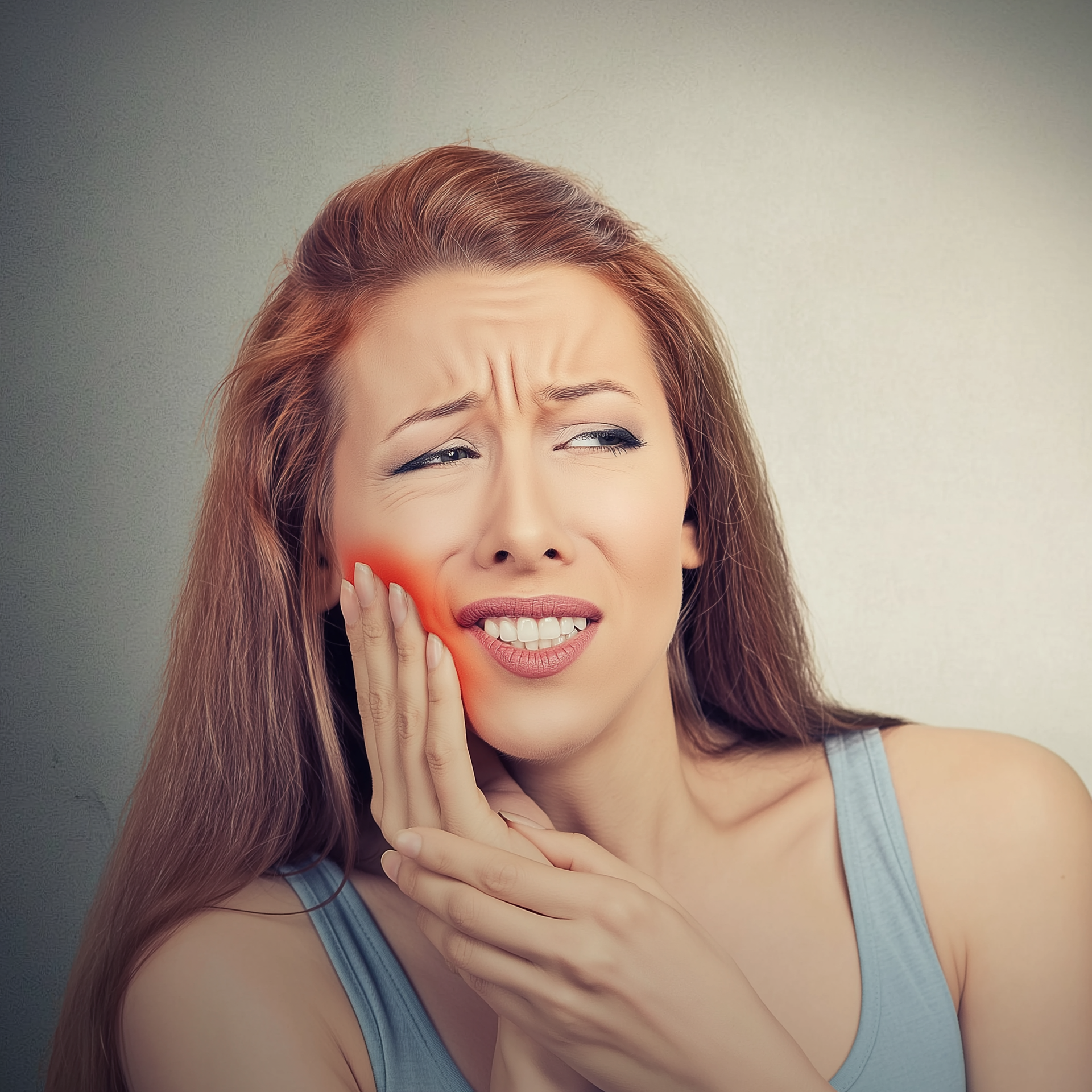
Understanding bruxism, its symptoms, and treatment options.
Table of Contents
Introduction
Meet the Doctors
What Is Bruxism
Why Stress Often Triggers Teeth Grinding
Signs and Symptoms We Want You to Catch Early
How Bruxism Can Affect Your Teeth, Jaw, and Overall Smile
Bruxism and Bite Alignment: Why Orthodontics Matters
Treatment Options for Bruxism
Our Top Picks for Reducing Grinding Damage at Home
Patient Spotlight
Why Choose CG Orthodontics
Conclusion
Frequently Asked Questions
Introduction
Have you ever woken up with a sore jaw, a dull headache, or teeth that feel sensitive for no obvious reason? You are not alone. Stress shows up in the body in all kinds of sneaky ways, and one of the most common is teeth grinding, also called bruxism.
At CG Orthodontics, our team sees the connection between stress, teeth grinding, jaw pain, and jaw alignment every day. We help patients throughout Richboro and Yardley, including families from Newtown and surrounding communities, understand what bruxism is, why it happens, and what to do about it before it chips away at their comfort and confidence.
Whether you are exploring braces, Invisalign®, or ceramic braces, or you simply want answers about dental pain and jaw health, we are here to guide you with clear options and a plan that protects your smile long-term.
Quick note before we dive in: if you suspect you grind your teeth, don't panic. The goal is to gain clarity, reduce damage, and have your bite and jaw work the way they were designed.
Meet the Doctors
At CG Orthodontics, we are proud to be led by Dr. Cathleen George and Dr. Jordan Cogan. Our doctors bring decades of specialized orthodontic experience and a patient-first approach that helps you feel informed, comfortable, and confident at every step.
We serve patients of all ages with modern orthodontic solutions, including braces, Invisalign, clear aligners, and ceramic braces, for families throughout Richboro, Yardley, Newtown, and the surrounding communities. Our focus is not just on straighter teeth. It is a healthier alignment, better function, and a smile that supports your life, not one that hurts when you wake up.
What Is Bruxism
Bruxism is the involuntary clenching or grinding of your teeth. It can happen during the day (awake bruxism) or while you sleep (sleep bruxism). Many people do not realize it is happening until a partner hears it, a dentist notices wear, or symptoms like jaw pain and dental pain become too loud to ignore.
Here is what makes bruxism tricky: grinding is not always dramatic. Some people grind their teeth so hard that they crack them. Others clench quietly for years, slowly straining the jaw joints and muscles. Both can cause real problems over time.
Common Bruxism Categories
- Awake clenching: Often linked to stress, focus, or tension, like clenching during work, driving, or workouts
- Sleep grinding: Often linked to stress, sleep quality, airway issues, or bite imbalance
- Mixed patterns: Many patients do both
If you have ever asked yourself, "why do my teeth hurt but I do not have a cavity?" bruxism is one of the first suspects we consider.
Why Stress Often Triggers Teeth Grinding
Stress does not stay in your thoughts. It shows up in your shoulders, your breathing, your stomach, and very often, your jaw.
When you are under pressure, your nervous system stays more activated. Your body shifts into a higher-alert mode. For many people, the jaw becomes a tension "storage unit." That tension can lead to clenching during the day and grinding at night.
Why Stress and Bruxism are So Connected
- Stress increases muscle tension throughout the body
- Anxiety can disrupt sleep cycles, which can increase nighttime grinding
- High focus or perfectionist patterns can cause daytime clenching
- Emotional overload can create unconscious habits like jaw tightening
Important point: stress is a common trigger, but it is rarely the only factor. Bite alignment and jaw positioning can play a major role in how intense the grinding becomes and how much damage it causes.
Signs and Symptoms We Want You to Catch Early
Bruxism can be loud, but it can also be subtle. We want you to catch it early because early intervention can prevent cracked teeth, gum recession, and chronic jaw discomfort.
Common Signs of Teeth Grinding
- Waking up with a sore jaw or tired facial muscles
- Headaches, especially in the temples or behind the eyes
- Tooth sensitivity, especially to cold
- Flattened, worn-down teeth
- Chipped enamel or small fractures
- Tightness when opening your mouth
- Clicking or popping in the jaw
- Ear fullness or ear pain (without an ear infection)
- Neck pain or shoulder tension that seems connected to your jaw
Quick Self-Check Callout
If you answer "yes" to 2 or more of these, bruxism may be involved:
- Do you wake up with jaw pain or headaches?
- Do your teeth feel sensitive without a clear cause?
- Has anyone heard you grind your teeth at night?
- Do you clench when you are stressed or concentrating?
- Do you feel like your bite does not fit comfortably?
If you are unsure, we can evaluate your bite, enamel wear, and jaw function during a consultation.
How Bruxism Can Affect Your Teeth, Jaw, and Overall Smile
Teeth are strong, but they are not designed for hours of grinding force. Bruxism creates pressure that can exceed normal chewing forces by a wide margin, especially during sleep.
How Grinding Damages Teeth
- Enamel wear: Thinning enamel increases sensitivity and raises cavity risk
- Cracks and fractures: Repeated stress can lead to micro-cracks that grow
- Chips and rough edges: Even small chips can change the way your teeth meet
- Tooth mobility: Excessive force can strain supporting structures
- Gum recession: Aggressive clenching and grinding can contribute to recession
How Grinding Affects the Jaw
Your jaw joint is called the TMJ (temporomandibular joint). Bruxism can overload this joint and the surrounding muscles, leading to:
- Jaw pain
- Locking or limited opening
- Clicking and popping
- Muscle spasms or fatigue
- Facial tension that feels like a constant tightness
This is where jaw alignment and health become a big deal. If the bite is off, the jaw may be fighting for a stable position, and grinding becomes the body's attempt to "find" comfort.
Bruxism and Bite Alignment: Why Orthodontics Matters
Many people assume bruxism is only stress. But alignment matters because your teeth and jaw need a stable, balanced way to close.
When the bite is imbalanced, your jaw may shift to one side to find a "best fit." Over time, that shift can strain muscles and joints. If you are already under stress, your body may clamp down even harder.
Bite Issues That Worsen Grinding
- Crowding that prevents even contact
- A deep bite that overloads front teeth
- An open bite that forces back teeth to take extra force
- Crossbites that shift the jaw laterally
- A bite that hits on one side before the other
- Misaligned jaw relationships that affect function
Orthodontic treatment is not a magic cure for all bruxism, but it can be a powerful part of the solution when bite imbalance is part of the cause.
Where Aligners and Braces Help
- Create more even tooth contact
- Reduce bite interference that triggers clenching
- Improve jaw positioning and bite stability
- Support long-term comfort after a night guard plan
At CG Orthodontics, we look at function, not just straightness. That means we evaluate how your teeth fit, how your jaw moves, and where stress is affecting your bite.
Treatment Options for Bruxism
The best bruxism plan depends on what is driving it. For many patients, it is a blend of stress, sleep factors, and alignment. Our goal is to reduce damage, reduce pain, and stabilize your bite.
1) Behavioral awareness and habit support
For daytime clenching, awareness is huge. Many patients clench during emails, traffic, or workouts without realizing it.
Helpful strategies include:
- Setting a reminder: lips together, teeth apart
- Keeping your tongue resting gently on the roof of the mouth
- Taking 60-second jaw relaxation breaks during high-stress moments
- Avoiding gum chewing if you are already clenching
2) Night guards and protective appliances
A custom night guard can protect your teeth while you sleep. It acts like a buffer that reduces tooth wear and can reduce muscle strain for some patients.
If you already wear clear aligners, we can help you understand how aligners, retainers, or a dedicated night guard may fit into your long-term plan.
3) Stress and sleep support
Because teeth grinding from stress is so common, managing the stress input can lower the grinding output.
That might include:
- Sleep routine consistency
- Reducing caffeine later in the day
- Gentle stretching before bed
- Breathing exercises that reduce nervous system activation
- Addressing underlying anxiety with your healthcare provider if needed
4) Orthodontic treatment to improve bite stability
If your bite is contributing to grinding or jaw pain, orthodontics can improve how the teeth fit and how the jaw closes.
Options may include:
- Traditional braces
- Ceramic braces for a more subtle look
- Clear aligners and Invisalign for a discreet treatment path
We will recommend the approach that best fits your needs, lifestyle, and goals, and we will build your treatment plan around function and long-term stability. With convenient locations serving the Richboro, Yardley, and Newtown communities, your new smile and real relief is closer than you think. Give us a call, and let’s find the best path forward together.
5) Muscle and joint support
In some cases, we may recommend collaboration with your general dentist or other providers for TMJ-focused therapy, physical therapy, or additional diagnostic insight if symptoms are significant.
Our role is to ensure your bite and alignment support your jaw health, not work against it.
Our Top Picks for Reducing Grinding Damage at Home
Here are some smart moves that help many patients feel relief and protect their smile.
Top Picks
- Start with a morning symptom check
Notice jaw soreness, headaches, and tooth sensitivity. Tracking patterns helps us diagnose faster. - Do a 2-minute jaw reset before bed
Gentle jaw stretches, slow nasal breathing, and unclenching cues can lower nighttime tension. - Limit late-day caffeine
Caffeine can raise muscle activation during sleep for some people. - Hydrate and support mineral balance
Dehydration and muscle tightness often go hand in hand. - Avoid chewing habits when stressed
Gum, ice chewing, and nail biting can train the jaw to stay activated. - Use heat for muscle relaxation
A warm compress on the jaw muscles can reduce tightness before sleep. - Schedule an alignment check if symptoms persist
If your bite is part of the problem, stress relief alone may not be enough. Give us a call at 215-355-5995, and we will evaluate your alignment, explain what is happening, and help you choose the best path forward for real, lasting relief. We would love to see you at our Richboro or Yardley location! - Social Challenge
- Try our "7-Day Unclench Challenge":
- Set 3 alarms a day that simply say "Relax your jaw."
- Every time it goes off, drop your shoulders, breathe slowly for 10 seconds, and let your teeth separate.
- Track how you feel on Day 1 versus Day 7.
Small habits create big change when you repeat them consistently.
Patient Spotlight
One of our adult patients came in feeling frustrated: frequent headaches, jaw soreness, and teeth that felt "tired" in the mornings. They assumed it was just stress and tried to power through it.
During their evaluation, we noticed clear signs of enamel wear and a bite pattern that concentrated pressure on a few teeth. We built a plan that included protective strategies and a bite-stabilizing orthodontic approach. Over time, the patient reported fewer morning headaches, reduced jaw tension, and a feeling that their bite finally "settled" comfortably.
Every patient is different, but the message is the same: you do not have to normalize discomfort. You can get answers and a plan. We are here to help!
Why Choose CG Orthodontics
When bruxism and jaw pain are involved, you want more than a quick fix. You want a team that looks at the whole picture.
At CG Orthodontics, we focus on:
- Specialized orthodontic expertise
We evaluate alignment, bite function, and jaw mechanics, not just straight teeth. - Modern treatment options
Braces, Invisalign, clear aligners, and ceramic braces, all tailored to your needs. - A patient-first approach
We explain the why, the what, and the next steps in a way that helps you feel confident. - Long-term thinking
Our goal is a stable bite, a healthy smile, and a plan you can maintain.
If you are dealing with dental pain, jaw pain, or teeth grinding from stress, we are proud to care for patients throughout Richboro, Yardley, Newtown, and the surrounding communities, and we would love to help you gain clarity, protect your smile, and feel better.
Conclusion
Stress can absolutely impact your smile, especially when it shows up as clenching and grinding. The good news is that bruxism is manageable. With the right diagnosis and a plan that supports both your teeth and your jaw alignment, you can protect your enamel, reduce discomfort, and feel confident in your bite again.
If you have been dealing with dental pain, morning headaches, tooth sensitivity, or jaw pain that seems to come and go, do not ignore it or assume it is "just stress." Teeth grinding from stress can quietly wear down enamel and strain your jaw over time, but early support can make a big difference. Whether you need a protective solution, help identifying triggers, or a closer look at how your bite is functioning, we will help you understand what is happening and what to do next.
If you suspect bruxism, bite imbalance, or alignment concerns, our team at CG Orthodontics is here to help patients throughout Richboro, Yardley, and Newtown find real answers and lasting relief.
Call us at 215-355-5995 to schedule your consultation and learn more about braces, Invisalign®, and clear aligners at teethstraight.com.
Frequently Asked Questions
What is bruxism, and how do I know if I have it?
Bruxism is the grinding or clenching of the teeth, often during sleep. Common signs include morning jaw soreness, headaches, worn teeth, and tooth sensitivity. We can confirm it by evaluating your enamel wear, bite, and jaw function.
Can stress really cause teeth grinding?
Yes. Stress increases muscle tension and nervous system activation, which can lead to daytime clenching and nighttime grinding. Stress is a common trigger, but bite alignment can also contribute.
Will Invisalign or clear aligners stop me from grinding?
Aligners can offer a protective barrier similar to a thin guard, but they are not always the full solution for bruxism. If bite imbalance is contributing, orthodontic treatment can help stabilize the bite. We will recommend the best approach based on your needs.
Can braces or aligners help with jaw pain?
They can, especially when jaw pain is connected to bite interference or uneven contact. Improving alignment can reduce strain on the jaw muscles and joints. We evaluate function carefully before recommending treatment.
Should I get a night guard if I grind my teeth?
A custom night guard can protect your teeth from wear and reduce symptoms for many patients. It is often part of a complete plan that may also include stress support and alignment evaluation.
Is bruxism dangerous if it does not hurt?
It can still cause damage over time, including enamel wear, cracks, gum recession, and changes in bite. Even without pain, it is worth evaluating to prevent bigger issues later.